LISTENLITE
Podcast insights straight to your inbox
📌Key Takeaways
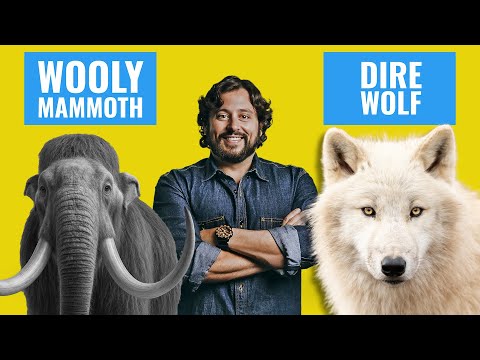
- Colossal Biosciences is pioneering the de-extinction of species like the woolly mammoth and dire wolf through advanced genetic engineering.
- Functional de-extinction focuses on recreating extinct species using the DNA of their closest living relatives, rather than cloning.
- Ethical considerations and animal welfare are paramount in the de-extinction process, influencing the choice of surrogate species.
- Colossal's business model includes technology spinouts and conservation credits, aiming to balance innovation with ecological responsibility.
- Public perception and media narratives significantly impact the discourse around de-extinction, often overshadowing scientific achievements.
🚀Surprising Insights
This approach, termed functional de-extinction, utilizes the DNA of closely related species to recreate the characteristics of extinct animals. For instance, the dire wolf is being engineered from grey wolves, focusing on specific genetic edits to achieve desired traits. This method challenges the traditional notion of cloning and opens up new avenues for conservation. ▶ 00:08:00
The launch of the dire wolf project generated a media frenzy, with some outlets focusing on the semantics of classification rather than the scientific advancements made. This highlights the gap between scientific progress and public understanding, as many critics miss the broader implications of the work being done for conservation and biodiversity. ▶ 01:10:00
💡Main Discussion Points
Multiplex editing allows for multiple genetic changes to be made simultaneously, increasing efficiency and precision in recreating extinct species. This technology is crucial for achieving the desired phenotypic traits while minimizing off-target effects. The ability to make numerous edits at once is a game-changer in the field of genetic engineering. ▶ 00:30:00
The company prioritizes humane practices in its genetic editing processes, ensuring that the welfare of surrogate species is not compromised. This commitment to ethical standards is reflected in their choice of using domestic dogs as surrogates for dire wolves, rather than endangered species, to avoid further endangering wildlife. ▶ 00:46:40
The company aims to leverage its innovations not only for de-extinction but also for broader applications in conservation and environmental sustainability. By creating technologies that can be spun out into separate ventures, Colossal is positioning itself as a leader in both the scientific and commercial realms of genetic engineering. ▶ 01:00:00
The media's portrayal of Colossal's projects often focuses on sensational aspects, which can detract from the scientific achievements and the potential benefits for conservation. This underscores the importance of effective communication and education in bridging the gap between scientific innovation and public understanding. ▶ 01:10:00
🔑Actionable Advice
Building partnerships with leading scientists and institutions can enhance research capabilities and drive advancements in genetic engineering. Collaboration can also help address ethical concerns and improve public perception of de-extinction efforts. ▶ 00:33:20
Clear and accessible communication about the goals, methods, and implications of de-extinction projects can help demystify the science and garner public support. Engaging storytelling can bridge the gap between scientific jargon and public understanding. ▶ 01:10:00
Ensuring the humane treatment of all species involved in de-extinction projects is essential for ethical integrity. This commitment can enhance the credibility of the organization and foster trust among stakeholders and the public. ▶ 00:46:40
🔮Future Implications
As technology continues to evolve, the potential for rewilding efforts to restore ecosystems and enhance biodiversity becomes increasingly feasible. This could have significant positive impacts on environmental health and conservation efforts globally. ▶ 01:40:00
The excitement surrounding de-extinction projects can translate into increased funding for broader conservation efforts, as public awareness grows. This could lead to more resources being allocated to protect endangered species and their habitats. ▶ 01:10:00
As the capabilities of genetic engineering expand, so too must the ethical considerations surrounding its application. Developing robust ethical guidelines will be crucial to ensure responsible use of these technologies in conservation and beyond. ▶ 00:46:40
🐎 Quotes from the Horsy's Mouth
"We are not trying to clone an extinct species. We are looking for the genes that are fixed and conserved across it." Ben Lamm, Colossal Biosciences ▶ 00:08:00
"The media often misses the bigger picture here, focusing on semantics rather than the scientific achievements." Ben Lamm, Colossal Biosciences ▶ 01:10:00
"We have to balance conservation with the realities of land development and human needs." Ben Lamm, Colossal Biosciences ▶ 01:16:40
We value your input! Help us improve our summaries by providing feedback or adjust your preferences on Horsy Bites.
Enjoying Horsy Bites? Install the Chrome Extension and take your learning to the next level!